
Sertraline 101: What Every Patient Should Know
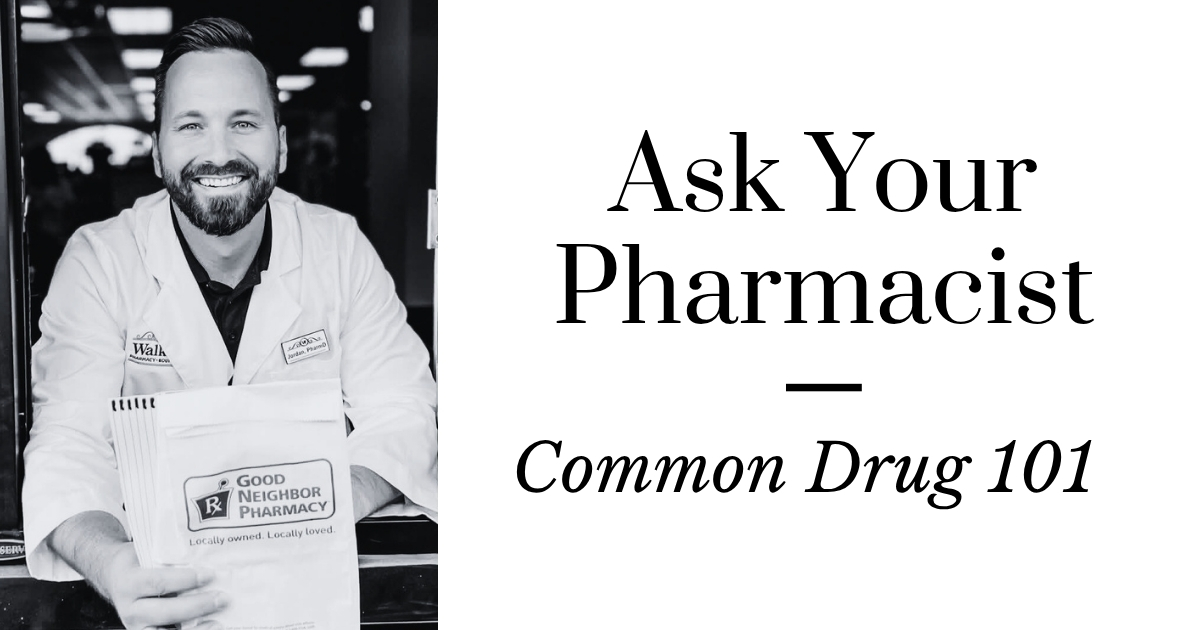
If you’ve ever picked up a prescription at Walker Pharmacy in Statesboro, Brooklet, or Lyons, there’s a good chance the little white tablet on the counter was sertraline. Better known by the brand name Zoloft, sertraline is one of the most commonly prescribed medications in the entire country — and one of the most common questions I get behind the counter is some version of, “What is this stuff actually doing for me?”
Sertraline is a selective serotonin reuptake inhibitor, or SSRI. Physicians prescribe it for depression, generalized anxiety, panic disorder, social anxiety, obsessive-compulsive disorder (OCD), post-traumatic stress disorder (PTSD), and premenstrual dysphoric disorder (PMDD). The FDA first approved it back in 1991, which means we’ve now had more than three decades of real-world experience with how it behaves in people of all ages and backgrounds. That long track record is part of why so many providers reach for it first when a patient needs help.
Here in Bulloch and Toombs Counties, we fill sertraline prescriptions every single day — for college students at Georgia Southern, for working parents, for retirees, and for veterans. Mental health care is health care, and there is nothing unusual about taking a medication for your brain any more than there is about taking one for your blood pressure. If your doctor has just started you on sertraline, this guide is meant to answer the questions you might not have thought to ask in the exam room.
How Sertraline Works
Your brain communicates using chemical messengers called neurotransmitters. Serotonin is one of the most important of those messengers when it comes to mood, sleep, appetite, and how you respond to stress. In a healthy nervous system, brain cells release serotonin into the tiny gap between them (called a synapse), the neighboring cell receives the signal, and then the first cell reabsorbs — or “reuptakes” — the leftover serotonin.
Sertraline blocks that reuptake process. The serotonin lingers a little longer in the synapse, which gives the receiving cell more chances to receive the signal. Over a period of weeks, this gradual rebalancing helps lift the heaviness of depression and quiet the constant hum of anxiety. It’s important to understand that sertraline does not work like a painkiller. You will not feel a switch flip after the first dose. Most patients begin to notice changes in sleep and energy within one to two weeks, with the full mood-lifting benefit usually showing up between four and six weeks. Patience is part of the prescription.
Common Side Effects and How to Manage Them
Most people who start sertraline experience some side effects in the first two weeks. The good news is that the majority of these are mild and tend to fade as your body adjusts. Here are the ones we hear about most often at the pharmacy counter, along with practical tips for managing them:
- Nausea or upset stomach. Taking your dose with food — breakfast or dinner — almost always helps. Sipping ginger tea or eating a piece of dry toast can settle a queasy morning.
- Trouble sleeping or, conversely, drowsiness. Sertraline affects different people in opposite ways. If it keeps you up, try taking it in the morning. If it makes you sleepy, take it at bedtime. Talk to your pharmacist before changing the time of your dose.
- Headache. Usually short-lived. Stay hydrated and use acetaminophen if your doctor approves. Persistent or severe headaches should be reported.
- Dry mouth. Sip water throughout the day, chew sugar-free gum, or try a mouth-moisturizing rinse.
- Diarrhea or loose stools. Usually settles within a couple of weeks. Stay hydrated and let your provider know if it lasts longer than that.
- Mild anxiety or jitters in the first week. This sounds counterintuitive for an anxiety medication, but it’s a known short-term effect that typically calms down.
- Sexual side effects. Reduced libido, delayed orgasm, or erectile difficulty can occur. These are common with all SSRIs and worth discussing openly with your prescriber — there are often solutions.
- Sweating more than usual. Sometimes called “SSRI sweats.” Light, breathable clothing and good hydration help.
Serious side effects are rare but worth knowing about. Call your provider right away if you notice unusual bruising or bleeding, a fast or irregular heartbeat, severe agitation, confusion, fever with muscle stiffness or twitching, or any thoughts of self-harm. The FDA includes a boxed warning that antidepressants can increase suicidal thoughts in some patients under 25, especially in the first few weeks. This doesn’t mean the medication is dangerous — it means the early weeks deserve close attention from family and providers.
Things Your Pharmacist Wants You to Know
1. Do not stop sertraline suddenly. If you and your provider decide it’s time to come off, the dose should be tapered down gradually over weeks. Stopping cold turkey can cause “discontinuation syndrome” — dizziness, brain-zap sensations, flu-like symptoms, irritability, and vivid dreams. None of that is dangerous, but it is unpleasant and easily avoided with a proper taper plan.
2. Watch for drug and supplement interactions. Sertraline can interact with a long list of common medications and even over-the-counter products. The big ones to flag for your pharmacist include other antidepressants (especially MAOIs), tramadol, certain migraine medications called triptans, blood thinners like warfarin, NSAIDs such as ibuprofen and naproxen, and the herbal supplement St. John’s wort. Combining serotonin-boosting substances can trigger a rare but serious condition called serotonin syndrome. Always bring us a full list of what you’re taking — including vitamins and supplements — and we’ll screen it for you free of charge.
3. Alcohol and sertraline don’t mix well. Sertraline is not strictly forbidden with alcohol, but the combination tends to amplify drowsiness, cloudiness, and depressive feelings — exactly the things you’re trying to treat. Most providers recommend keeping alcohol use minimal, especially during the first few months.
A Pharmacist’s Perspective
One of the things I appreciate most about working in an independent community pharmacy is that we get to know our patients over years, not minutes. With a medication like sertraline, that continuity matters. The first four to six weeks of treatment are often the hardest — that’s when side effects are most noticeable and the benefits haven’t fully kicked in yet. I’ve had more than one patient stop their prescription early because they thought it “wasn’t working.” Almost every time, a quick conversation could have helped them stay the course long enough to feel better.
If you’re on sertraline and something doesn’t feel right, please don’t suffer in silence and please don’t quit without a plan. Walk into any of our locations in Statesboro, Brooklet, or Lyons, or give us a call. We’ll talk through what you’re experiencing, look at your full medication list, and either reassure you or get word to your prescriber so they can adjust the plan. That’s what your hometown pharmacist is here for.
Frequently Asked Questions
How long does it take for sertraline to start working?
Most patients begin to notice small improvements in sleep, appetite, or energy within one to two weeks, but the fuller mood and anxiety benefits typically take four to six weeks to develop. If you don’t feel a meaningful difference by week eight, talk to your prescriber about whether the dose needs to change or a different medication should be tried.
Is sertraline the same as Zoloft?
Yes. Zoloft is the original brand name, and sertraline is the generic version. The FDA requires generics to deliver the same active ingredient in the same amount with the same effect, so the two are clinically equivalent. The generic almost always costs less, which is why most prescriptions are filled with it today.
Will sertraline cause weight gain?
Compared with some other antidepressants, sertraline tends to be relatively weight-neutral. Some patients gain a few pounds over a year of treatment, others lose a small amount, and many see no change at all. Eating habits, exercise, and the underlying improvement in mood all factor in. If weight changes concern you, mention it at your next visit.
Can I take sertraline while pregnant or breastfeeding?
This is a conversation to have directly with your obstetrician. Untreated depression and anxiety carry their own risks during pregnancy and the postpartum period, and sertraline is often considered one of the more reasonable choices in this class when treatment is needed. The right answer depends on your individual situation, and your prescriber is the one to make that call with you.
What should I do if I miss a dose?
If you remember within a few hours of your usual time, take it as soon as you remember. If it’s already close to your next scheduled dose, skip the missed one and resume your normal schedule. Never double up to “catch up.” A consistent daily routine — taking it at the same time every day — makes missed doses much less likely.
We’re Here When You Need Us
Have questions about sertraline or any of your medications? Stop by Walker Pharmacy in Statesboro, Brooklet, or Lyons, call us at 912-681-3784, or visit walkerpharmacy.com. Transferring your prescriptions takes just seconds at walkerpharmacy.com/transfer-prescriptions, and you can request refills anytime at walkerpharmacy.com/refills.
This article is for informational purposes only and does not constitute medical advice. Always consult your physician or pharmacist before making changes to your medications.
— Jordan Walker, PharmD | Owner, Walker Pharmacy