
Metformin 101: What Every Patient Should Know
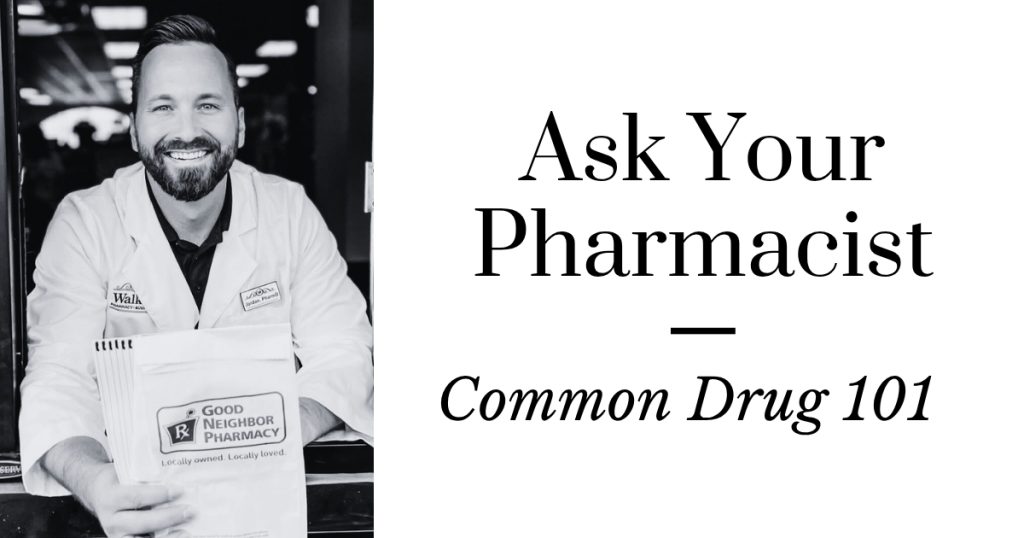
If you or someone in your family has been diagnosed with type 2 diabetes, there is a very good chance metformin was the first medication your doctor reached for. It is the most commonly prescribed diabetes drug in the world, and for good reason – it is effective, affordable, well-studied, and has been helping patients manage blood sugar for decades.
At Walker Pharmacy, we dispense metformin more than almost any other medication. And over the years, I have answered hundreds of questions about it. So today, I want to give you the comprehensive guide I wish every patient received when they first got their prescription.
What Is Metformin and How Does It Work?
Metformin belongs to a class of drugs called biguanides. It works primarily by reducing the amount of glucose (sugar) your liver produces and by improving your body’s sensitivity to insulin. Think of it as helping your body use the insulin it already makes more efficiently, rather than forcing your pancreas to produce more.
It is typically prescribed as a first-line treatment for type 2 diabetes, often alongside lifestyle changes like diet and exercise. Metformin is available as an immediate-release tablet (taken 2-3 times daily) and an extended-release tablet (taken once daily, usually with dinner).
Common Side Effects and How to Manage Them
The most common side effects of metformin are gastrointestinal: nausea, diarrhea, stomach cramps, and bloating. Here is the good news – for most patients, these side effects are temporary and manageable. A few tips we share with patients at Walker Pharmacy:
- Start low and go slow. Most physicians start with a low dose and gradually increase. This gives your body time to adjust.
- Take it with food. Taking metformin in the middle of a meal (not before) significantly reduces stomach upset.
- Consider extended-release. If immediate-release metformin is causing GI issues, ask your doctor about switching to the extended-release version. Many of our patients have much better tolerability with ER.
- Give it time. Side effects often improve within the first 2-4 weeks. Do not give up too quickly.
A more serious but rare side effect is lactic acidosis. This is extremely uncommon but is something your doctor monitors for, particularly if you have kidney issues. Report any unusual muscle pain, difficulty breathing, or extreme fatigue to your doctor immediately.
Things Your Pharmacist Wants You to Know
Vitamin B12 depletion is a real concern with long-term metformin use. Studies have shown that metformin can reduce B12 absorption over time, which can lead to fatigue, numbness or tingling in your hands and feet, and cognitive changes. Ask your doctor about checking your B12 levels annually, and consider a B12 supplement.
Metformin does not cause hypoglycemia (low blood sugar) on its own, which is one reason it is such a safe first-line choice. However, if you are also taking other diabetes medications (like sulfonylureas or insulin), the combination can cause low blood sugar. Know the symptoms: shakiness, sweating, confusion, and rapid heartbeat.
A Pharmacist’s Perspective
I have been a pharmacist for over a decade, and metformin remains one of the medications I am most confident recommending. It works, it is affordable (often under $10 even without insurance), and it has a remarkable safety profile for a drug that has been around since the 1950s. There is even emerging research suggesting metformin may have benefits beyond blood sugar control, including potential anti-aging and cardiovascular protective effects.
The patients who do best on metformin are the ones who pair it with real lifestyle changes. It is not a magic pill – it is a tool. Combined with a reasonable diet, regular movement, and consistent follow-up with your healthcare team, it can help you live well with diabetes for a very long time.
Can I drink alcohol while taking metformin?
Moderate alcohol consumption is generally considered acceptable, but heavy drinking increases the risk of lactic acidosis and low blood sugar. Discuss your alcohol use honestly with your doctor and pharmacist.
What if I miss a dose?
Take the missed dose as soon as you remember, unless it is close to your next scheduled dose. Never double up. If you are frequently forgetting doses, ask us about medication synchronization at Walker Pharmacy – we can align all your refills to a single pickup day.
Is metformin safe during pregnancy?
Metformin is sometimes used during pregnancy, particularly for gestational diabetes or PCOS, but this is a conversation between you and your OB-GYN. Do not stop or start metformin during pregnancy without medical guidance.
Why does my metformin smell bad?
This is one of the most common questions we get! Some generic metformin tablets have a distinct fishy odor. It is harmless and related to the manufacturing process. If it bothers you, ask about switching to a different manufacturer or the extended-release version, which typically has less odor.
Can I get metformin at Walker Pharmacy without insurance?
Absolutely. Metformin is one of the most affordable medications available. Even without insurance, it is typically under $10 at Walker Pharmacy. We also offer our Walker Discount Card for additional savings on this and other medications.
Have questions about metformin or any of your medications? Stop by Walker Pharmacy in Statesboro, Brooklet, or Lyons, call us at 912-681-3784, or visit walkerpharmacy.com. We are here to help.
Disclaimer: This article is for informational purposes only and does not constitute medical advice. Always consult your physician or pharmacist before making changes to your medications.
— Jordan Walker, PharmD | Owner, Walker Pharmacy