
Omeprazole 101: What Every Patient Should Know
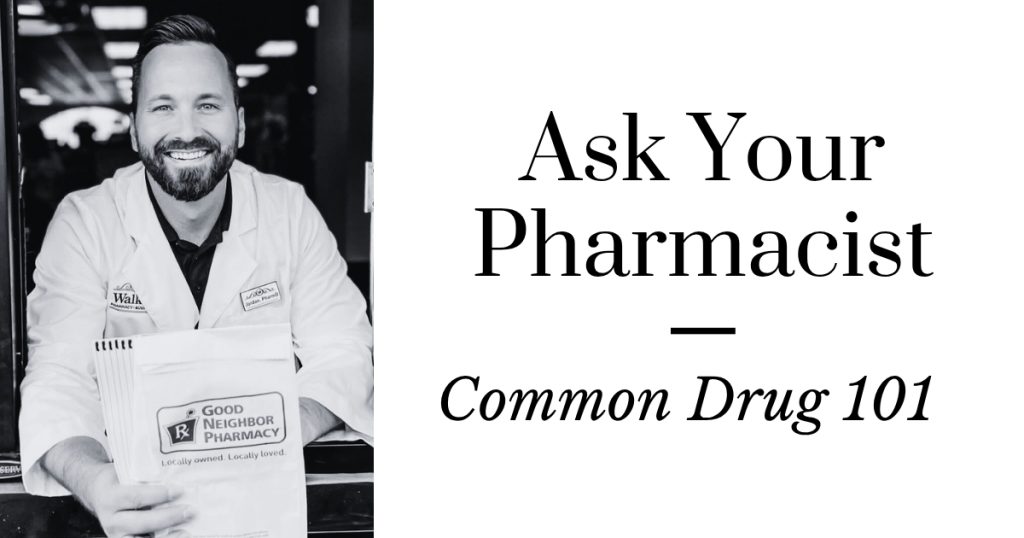
If heartburn has ever woken you up in the middle of the night, you are far from alone. Walk down any pharmacy aisle in Statesboro, Brooklet, or Lyons and you will see a wall of antacids, but the medication that ends up on the most prescription pads in our area for serious reflux is omeprazole. You may know it by its brand name, Prilosec.
Omeprazole belongs to a family of medications called proton pump inhibitors, or PPIs for short. It is one of the top 10 most prescribed medications in the United States and is used to treat conditions ranging from everyday heartburn to stomach ulcers, gastroesophageal reflux disease (GERD), and a handful of less common but serious stomach conditions. It is also sold over the counter in lower doses, which is part of why so many of our Bulloch and Toombs County neighbors take it without ever realizing it is a powerful, long-acting medication.
Because omeprazole is so widely available, it is easy to assume it is harmless. After two decades behind the counter at Walker Pharmacy, I can tell you that PPIs are some of the most useful medicines we have for the right patient — and some of the most over-used for the wrong patient. Here is what I want every patient to understand about it.
How Omeprazole Works
The cells lining your stomach contain tiny pumps — called proton pumps — that push acid into your stomach to help digest food. In a healthy stomach, that acid stays where it belongs. But when it splashes back up into the esophagus (the tube connecting your mouth to your stomach), it causes the burning sensation we know as heartburn. Over time, repeated acid exposure can damage the lining of the esophagus, cause ulcers, and contribute to more serious conditions.
Omeprazole works by quietly switching off those proton pumps. Less acid in your stomach means less acid backing up, less irritation, and time for damaged tissue to heal. The effect kicks in within an hour or two of your dose, but the full benefit usually shows up after a few days of consistent daily use, once enough of those pumps have been blocked.
Common Side Effects and How to Manage Them
For most patients, omeprazole is well tolerated, especially in the short term. The most common side effects we hear about at the counter are:
- Headache. The most frequently reported side effect. Usually mild and improves with hydration and time.
- Stomach pain, gas, or bloating. A little ironic for a stomach medication, but it can happen as your gut adjusts.
- Diarrhea or constipation. Either direction is possible. Stay hydrated and eat plenty of fiber.
- Nausea. Taking your dose 30 to 60 minutes before breakfast (the recommended timing) often helps.
- Dizziness. Usually mild. Move slowly when standing up if you feel lightheaded.
There are a few less common but more important side effects worth knowing about. Long-term use of PPIs has been linked to an increased risk of low magnesium levels, low vitamin B12, bone fractures (especially of the hip, wrist, and spine), and certain intestinal infections like C. difficile. These risks are highest in patients taking high doses for a year or more. None of this means omeprazole is dangerous — it means it deserves a check-in with your doctor or pharmacist if you have been on it for a long time.
Things Your Pharmacist Wants You to Know
Three things I find myself saying to omeprazole patients almost every single day:
1. Take it before you eat — not after. This is the single biggest mistake I see. Omeprazole only blocks proton pumps that are actively working, and your pumps fire up when food hits your stomach. Take your dose 30 to 60 minutes before your first meal of the day for the strongest effect. Taking it at bedtime or after dinner does not give you nearly the same benefit.
2. It is not designed for instant relief. Omeprazole is a slow-and-steady medication, not a Tums. If you need quick relief from a flare-up, an antacid like calcium carbonate works in minutes. Omeprazole works in days. Many of our patients keep both on hand for different jobs.
3. Watch for drug interactions. Omeprazole can affect how your body absorbs or processes several common medications, including the blood thinner clopidogrel (Plavix), some HIV medications, and certain seizure and antifungal drugs. Even iron supplements can be less effective when stomach acid is suppressed. Always make sure your pharmacist has a full list of everything you take, including supplements.
A Pharmacist’s Perspective
The conversation I have most often about omeprazole is not about starting it — it is about whether someone still needs to be on it. PPIs were originally designed for short courses of 4 to 8 weeks for things like ulcers and esophagitis. Somewhere along the way, a lot of folks ended up taking them for years without anyone revisiting the prescription. That is not always wrong (some patients absolutely need long-term acid suppression), but it is worth a periodic check.
If you have been on omeprazole for more than a few months and have not talked to your doctor about it lately, ask. There may be lifestyle changes — smaller meals, eating earlier in the evening, elevating the head of the bed, weight management, cutting back on triggers like coffee, alcohol, or spicy food — that allow you to step down to a lower dose or come off entirely. If you do come off, do it slowly and under guidance, because stopping abruptly can cause a temporary acid rebound that feels worse than your original heartburn. We see this story all the time at Walker Pharmacy, and we are always happy to walk through it with you in person.
Frequently Asked Questions
What is omeprazole used for?
Omeprazole is used to treat conditions caused by too much stomach acid. The most common uses are gastroesophageal reflux disease (GERD), heartburn, stomach and duodenal ulcers, erosive esophagitis, and as part of combination therapy for H. pylori infections. It is also used for rarer conditions like Zollinger-Ellison syndrome, where the stomach makes far too much acid.
What are the most common omeprazole side effects?
The most common short-term side effects are headache, abdominal pain, nausea, gas, diarrhea, and dizziness. Most are mild. Long-term use (typically more than a year) carries some risk of low magnesium and B12 levels, bone fractures, and certain intestinal infections, which is why long-term users should periodically check in with their doctor or pharmacist.
How long can I safely take omeprazole?
Over-the-counter omeprazole is labeled for a 14-day course, repeated no more than every 4 months unless directed by your doctor. Prescription omeprazole can be taken longer for specific conditions, but it is good practice to revisit the need every 6 to 12 months with your physician. Talk to your pharmacist or doctor before continuing past the recommended duration.
When is the best time of day to take omeprazole?
For best results, take omeprazole 30 to 60 minutes before your first meal of the day, typically breakfast. Taking it on an empty stomach allows it to be absorbed properly and to reach the proton pumps right as they are activated by food, which is when it works best.
Can I stop taking omeprazole suddenly?
If you have been on omeprazole for more than a few weeks, stopping cold turkey can cause a temporary surge in stomach acid known as rebound acid hypersecretion. This often feels like worse heartburn than what you started with. A gradual taper or stepping down to an H2 blocker like famotidine for a brief period can ease the transition. Always coordinate the plan with your doctor or pharmacist.
Let’s Talk
Have questions about omeprazole or any of your medications? Stop by Walker Pharmacy in Statesboro, Brooklet, or Lyons, call us at 912-681-3784, or visit walkerpharmacy.com. Transferring your prescriptions takes just seconds at walkerpharmacy.com/transfer-prescriptions, and you can request refills any time at walkerpharmacy.com/refills.
This article is for informational purposes only and does not constitute medical advice. Always consult your physician or pharmacist before making changes to your medications.
— Jordan Walker, PharmD | Owner, Walker Pharmacy